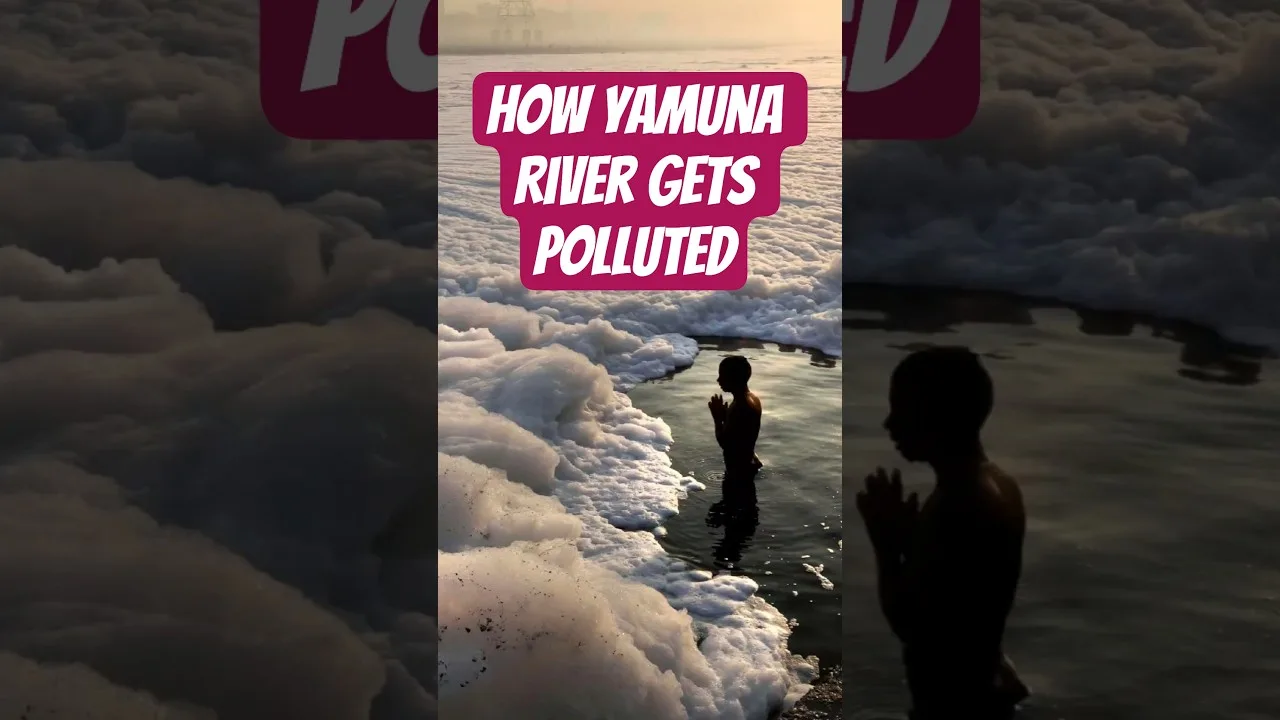
How Yamuna River Gets Polluted #thegeoecologist #yamunariver #yamunapollution #shorts
How Yamuna River Gets Polluted | TheGeoEcologist Geography Shorts 🌊🚨
The Yamuna River, once a lifeline for Delhi-NCR and Northern India, now faces a severe pollution crisis. Understanding its decline is crucial, as multiple factors degrade its water quality. Here’s a breakdown of the key culprits:
1. Untreated Sewage Discharge
Delhi alone generates over 3,700 million liters of sewage daily, but only 38% is treated. The rest flows untreated into the Yamuna, dumping ~2,500 MLD (million liters per day) of raw sewage. This raises toxic levels of ammonia, coliform bacteria, and biochemical oxygen demand (BOD), making water unsafe even for bathing, let alone drinking.
2. Industrial Effluents
Factories along the Yamuna basin discharge chemical-laden waste, including heavy metals like lead, mercury, and chromium from industries in Delhi, Haryana, and Uttar Pradesh. These toxins accumulate in sediments, poisoning aquatic life and entering the food chain.
3. Plastic Waste
Single-use plastics clog the riverbank and water surface. Plastic waste blocks drainage channels, slows river flow, and breaks down into microplastics. According to reports, Delhi dumps ~100 metric tons of plastic daily into the Yamuna, harming fish and birds.
4. Religious Idol Immersion
During festivals like Dussehra and Ganesh Chaturthi, idols made of plaster of Paris, toxic paints, and synthetic materials are immersed in the Yamuna. These idols release lead, cadmium, and mercury, further polluting the water.
5. Agricultural Runoff
Pesticides and fertilizers from farms in Uttarakhand, Haryana, and UP wash into the river during monsoons. This causes eutrophication (algal blooms), depleting oxygen and killing aquatic organisms.
Why This Matters: The Devastating Impact
- Health Crisis: Contaminated water spreads diseases like cholera and typhoid. Delhi’s dependence on Yamuna for drinking water (after purification) strains resources.
- Ecological Collapse: The river’s biodiversity has plummeted, with over 90% of fish species vanished in stretches near Delhi.
- Economic Burden: Cleaning costs billions, while pollution tourism, waste clogging, and health expenses drain the economy.
- Climate Link: Polluted rivers emit methane, worsening global warming.
Why Cleaning the Yamuna is Urgent
Reviving the Yamuna isn’t just an environmental duty; it’s a lifeline for 60 million people dependent on it. Restoring it could recharge groundwater, reduce Delhi’s heat island effect, and protect future generations from water scarcity.
The Path Forward
Government initiatives like the Yamuna Action Plan and community drives (e.g., “Clean Yamuna”) show promise, but success requires:
- Strict enforcement of industrial and sewage treatment laws.
- Alternatives to toxic idol immersion.
- Waste management reforms to stop plastic dumping.
- Public awareness to reduce pollution at the source.
The Yamuna’s fate is a mirror to our collective future. As the river gasps for breath, its recovery begins with acknowledging our role in its decline—and acting now, before its currents carry irreversible consequences.
TheGeoEcologist #YamunaRiver #YamunaPollution #RiverPollution #IndianRivers #GeographyShorts #Environment #DelhiPollution #WaterCrisis
To Download E-Books & Study Material Visit The Shop Page