


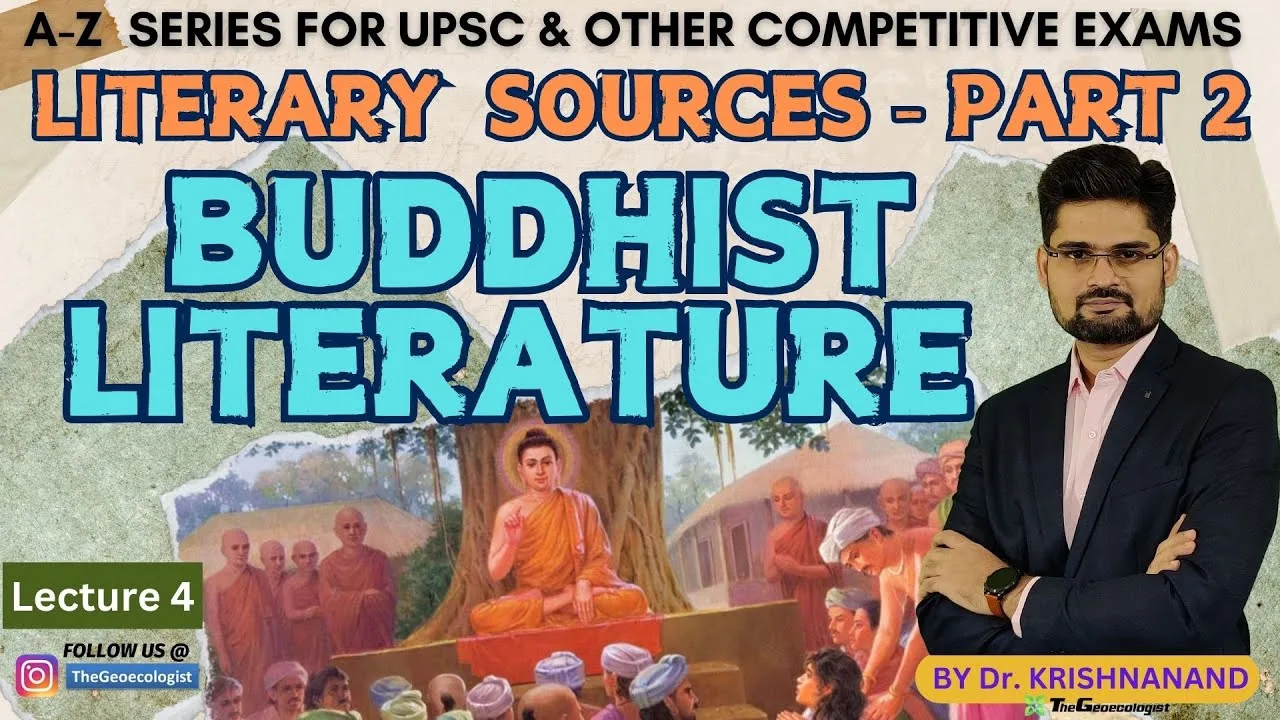
Buddhist Literature -Literary Sources of Ancient India (Part 2)
Dive into the Rich Tapestry of Ancient India’s Buddhist Literary Heritage
Ancient India’s literary heritage is a treasure trove of wisdom, philosophy, and cultural insights. Among the most profound and influential contributions is Buddhist literature, a vast body of texts that has shaped not only Indian civilization but also the spiritual and ethical fabric of Asia and the world. In this article, we explore the origins, significance, and enduring impact of Buddhist literary sources, with a focus on key texts like the Tripitaka, Jatakas, and the role of Buddhist monasteries in preserving these invaluable manuscripts.
The Origins and Significance of Buddhist Literature
Buddhist literature emerged as a response to the teachings of Siddhartha Gautama, the Buddha, who lived in the 6th century BCE. His profound insights into the nature of suffering, the path to liberation, and the importance of compassion were meticulously preserved and transmitted by his disciples. These teachings were initially passed down orally, ensuring their accessibility to a wide audience. Over time, they were compiled into written texts, forming the foundation of Buddhist literature.
Buddhist literature is not merely a collection of religious doctrines; it is a comprehensive guide to ethical living, philosophical inquiry, and spiritual practice. Its significance lies in its universal appeal, offering timeless wisdom that transcends cultural and temporal boundaries.
Key Texts: The Tripitaka and Jatakas
The Tripitaka (Three Baskets):
The Tripitaka is the cornerstone of Buddhist literature, comprising three primary sections:- Vinaya Pitaka: The code of monastic discipline, outlining the rules and regulations for monks and nuns.
- Sutta Pitaka: A collection of discourses attributed to the Buddha, covering a wide range of topics from ethics to meditation.
- Abhidhamma Pitaka: A philosophical and analytical exploration of Buddhist teachings, delving into the nature of mind and reality.
The Tripitaka serves as a comprehensive guide to the Buddha’s teachings, preserving his wisdom for future generations.
- The Jatakas:
The Jatakas are a collection of stories recounting the Buddha’s previous lives, illustrating the virtues of compassion, generosity, and wisdom. These tales, often rich with moral lessons, were widely used as a tool for teaching and inspiring laypeople and monks alike. The Jatakas not only provide ethical guidance but also offer a glimpse into the social and cultural milieu of ancient India.
The Role of Buddhist Monasteries in Preserving Ancient Manuscripts
Buddhist monasteries played a pivotal role in the preservation and dissemination of Buddhist literature. These centers of learning and practice were not only spaces for meditation but also repositories of knowledge. Monks and scholars diligently copied and preserved manuscripts, ensuring the continuity of Buddhist teachings. Monasteries like Nalanda and Vikramashila became renowned hubs of intellectual activity, attracting scholars from across Asia. Their efforts safeguarded the literary heritage of ancient India, making it accessible to future generations.
The Influence of Buddhist Literature on Indian Culture and Philosophy
Buddhist literature has had a profound impact on Indian culture and philosophy. Its emphasis on non-violence, compassion, and ethical living has influenced not only religious practices but also art, literature, and governance. The Jatakas, for instance, inspired countless works of art, including the intricate carvings at Sanchi and Ajanta. The Tripitaka’s philosophical insights laid the groundwork for later schools of thought, enriching India’s intellectual tradition.
Join Us on an Enlightening Journey
Discover the depth and influence of Buddhist literature in our latest video, where we uncover the origins and significance of these timeless texts. From the profound teachings of the Tripitaka to the moral lessons of the Jatakas, we explore the rich tapestry of ancient India’s literary heritage. Whether you’re a history enthusiast, a student of philosophy, or simply curious about India’s cultural heritage, this video offers valuable insights and knowledge.
Don’t forget to like, comment, and subscribe for more content on Ancient Indian literature and culture!
BUDDHISTSTORY
Buddhist literature is more than a historical artifact; it is a living tradition that continues to inspire and guide millions of people worldwide. By delving into these ancient texts, we not only connect with the past but also uncover lessons that remain relevant in our modern lives. Let us embark on this enlightening journey to understand the profound legacy of Buddhist literature and its enduring impact on human civilization.
To Download E-Books & Study Material Visit The Shop Page