
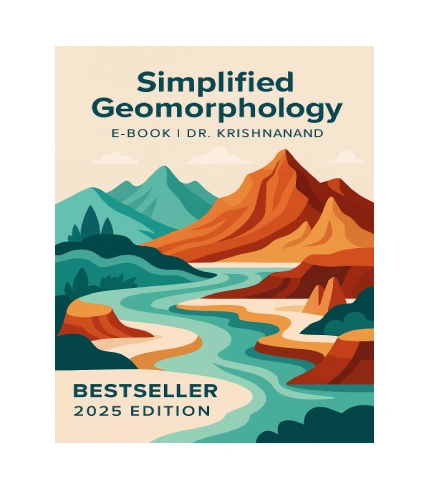
Simplified Geomorphology (2025 Edition) | E-Book | Dr. Krishnanand | Bestseller
Original price was: ₹550.00.₹249.00Current price is: ₹249.00.
Simplified Geomorphology (2025 Edition) by Dr. Krishnanand simplifies complex concepts for UPSC CSE aspirants, undergraduates, and geography enthusiasts.
This E-book is on the prescribed CBCS syllabus in geography.
The point wise highlighted descriptions along with diagrams, maps and images make it more comprehensive and interesting for the readers.
Simplified Geomorphology (2025 Edition) By Dr. Krishnanand
Simplified Geomorphology (2025 Edition) E-Book Dr. Krishnanand Bestseller
Download
The Sample Of “Simplified Geomorphology (2025 Edition)”
Simplified Geomorphology
Now available: the updated 2025 Edition , Latest content aligned with UPSC CBCS syllabus update (2025) , Ideal for UPSC CSE aspirants, undergraduates, and geography enthusiasts.
Unlock the mysteries of the Earth’s surface with “Simplified Geomorphology (Revised)” by Dr. Krishnanand. This comprehensive textbook delves into the intricate workings of our planet’s structure and the dynamic processes that shape its landscapes.
With detailed chapters covering everything from the internal structure of the Earth to the evolution of its crust, this book is an essential resource for students, researchers, and enthusiasts alike.
Follow The Author On Facebook
Subscribe The Author On Youtube
Follow The Author On Instagram
Only logged in customers who have purchased this product may leave a review.
Frequently bought together
Simplified Geomorphology (2025 Edition) | E-Book | Dr. Krishnanand | Bestseller
Simplified Geomorphology (2025 Edition) by Dr. Krishnanand simplifies complex concepts for UPSC CSE aspirants, undergraduates, and geography enthusiasts.
This E-book is on the prescribed CBCS syllabus in geography.
The point wise highlighted descriptions along with diagrams, maps and images make it more comprehensive and interesting for the readers.
Field Work And Report Writing | E-Book | Dr. Krishnanand | Bestseller
Field Work And Report Writing by Dr. Krishnanand simplifies complex concepts for UPSC CSE aspirants, undergraduates, and geography enthusiasts.
This E-book is on the prescribed CBCS syllabus in geography.
The point wise highlighted descriptions along with diagrams, maps and images make it more comprehensive and interesting for the readers.

Evolution Of Geographical Thought (Revised) | E-Book | Dr. Krishnanand | Extremely Popular
“Evolution Of Geographical Thought" e-book by Dr. Krishnanand simplifies complex concepts for UPSC CSE aspirants, undergraduates, and geography enthusiasts.
This E-book is on the prescribed CBCS syllabus in geography.
The point wise highlighted descriptions along with diagrams, maps and images make it more comprehensive and interesting for the readers.
Related products
Field Work And Report Writing | E-Book | Dr. Krishnanand | Bestseller
Field Work And Report Writing by Dr. Krishnanand simplifies complex concepts for UPSC CSE aspirants, undergraduates, and geography enthusiasts.
This E-book is on the prescribed CBCS syllabus in geography.
The point wise highlighted descriptions along with diagrams, maps and images make it more comprehensive and interesting for the readers.
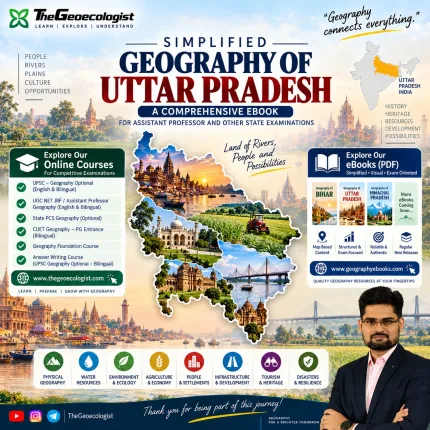
Geography of Uttar Pradesh | eBook | Dr. Krishnanand
A comprehensive, visually-driven eBook on the Geography of Uttar Pradesh — covering physical geography, water resources, environment & ecology, agriculture, settlements, infrastructure, tourism, and disaster resilience. Based on Dr. Krishnanand's lectures, designed for Assistant Professor and other State-level examinations.
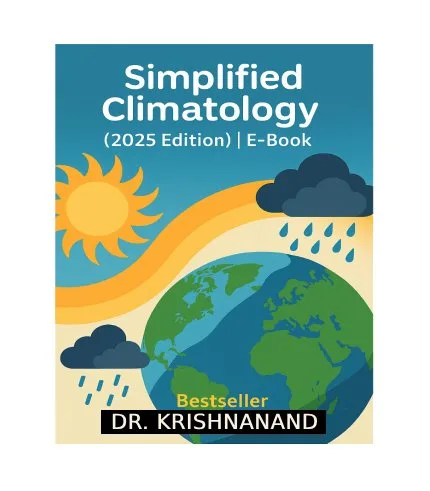
Simplified Climatology (2025 Edition) | E-Book | Dr. Krishnanand | Bestseller
Simplified Climatology (2025 Edition) by Dr. Krishnanand simplifies complex concepts for UPSC CSE aspirants, undergraduates, and geography enthusiasts.
This E-book is on the prescribed CBCS syllabus in geography.
The point wise highlighted descriptions along with diagrams, maps and images make it more comprehensive and interesting for the readers.
Simplified Disaster Management (2025 Edition) | E-Book | Dr. Krishnanand
Simplified Environmental Geography (2025 Edition) | E-Book | Dr. Krishnanand | Bestseller
Simplified Environmental Geography (2025 Edition) by Dr. Krishnanand simplifies complex concepts for UPSC CSE aspirants, undergraduates, and geography enthusiasts.
This E-book is on the prescribed CBCS syllabus in geography.
The point wise highlighted descriptions along with diagrams, maps and images make it more comprehensive and interesting for the readers.
Simplified Hydrology | E-Book | Dr. Krishnanand | Bestseller
Simplified Hydrology by Dr. Krishnanand simplifies complex concepts for UPSC CSE aspirants, undergraduates, and geography enthusiasts.
This E-book is on the prescribed CBCS syllabus in geography.
The point wise highlighted descriptions along with diagrams, maps and images make it more comprehensive and interesting for the readers.
Simplified Settlement Geography | E-Book | Dr. Krishnanand | Bestseller
Simplified Settlement Geography by Dr. Krishnanand simplifies complex concepts for UPSC CSE aspirants, undergraduates, and geography enthusiasts.
This E-book is on the prescribed CBCS syllabus in geography.
The point wise highlighted descriptions along with diagrams, maps and images make it more comprehensive and interesting for the readers.
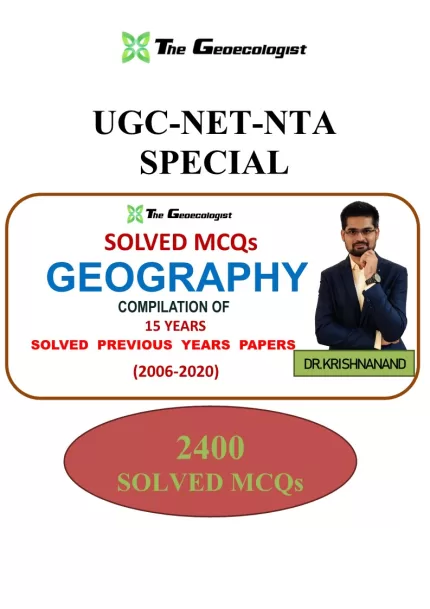
Solved MCQs Geography – Instant Access – #1 Rated Resource
Dr. Krishnanand’s meticulously crafted Solved MCQs Geography to enhance your preparation for the UGC NET exam. Here’s why this book stands out:
- Comprehensive Coverage: Covers all important topics in geography.
- Exam-Oriented: Focuses on UGC NET- NTA requirements.
- Solved Answers with Explanations: Helps in understanding the concepts better.

Reviews
There are no reviews yet.